Date Published: 16/06/2026
Spain to enjoy spectacular Strawberry Moon at the end of June
ARCHIVED ARTICLE -
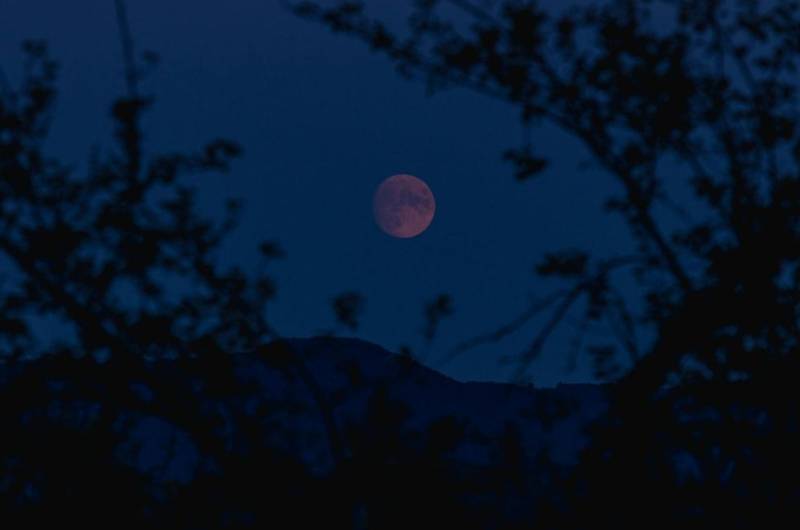
The so-called Strawberry Moon will reach its peak just days after the summer solstice
Skywatchers across
Spain will have one more reason to look up before June comes to an end, with the arrival of the year's Strawberry Moon.
The full moon will reach its peak during the early hours of Tuesday June 30, appearing at its fullest at 1.56am according to calculations from Spain's National Geographic Institute.
Although full moons occur every month, June's has a special reputation thanks to its position in the sky and the time of year it appears. Coming shortly after the summer solstice, it rises lower above the horizon than many other full moons, often taking on a warm orange glow that can make it particularly impressive to watch.
That low position can also create an optical illusion that makes the moon appear larger than usual, especially when it is first rising.
Despite the name, the Strawberry Moon is not actually pink or red. The term comes from Native American traditions, where the June full moon marked the time of year when wild strawberries were ready to be harvested. The moon acted as a natural calendar, helping communities track the changing seasons.
Elsewhere, different cultures have given June's full moon other names. In parts of Europe it has traditionally been known as the Honey Moon or Hot Moon, reflecting both the warmer weather and increased activity among bees during the early summer months.
For those hoping to get the best view, experts recommend heading away from towns and built-up areas where possible. Darker locations with little light pollution offer the clearest views, particularly in places with an open outlook towards the eastern or south-eastern horizon where the moon will rise.
June also brings
the summer solstice, which this year falls on Sunday June 21 at 10.24am. The event marks the start of astronomical summer in the northern hemisphere and brings the longest day and shortest night of the year.
With warm evenings and generally clear skies across much of Spain, the end of June could provide ideal conditions for enjoying one of the most photographed full moons of the year.
Image: Pixabay
article_detail

|
Address
Casas del Puente 3, Cartagena, Murcia, Spain, 30397
Tel: +34 623 140 902
Loading
The Astronomy and Science Centre Foundation has star-themed events and activities to delight novices and experts of all ages
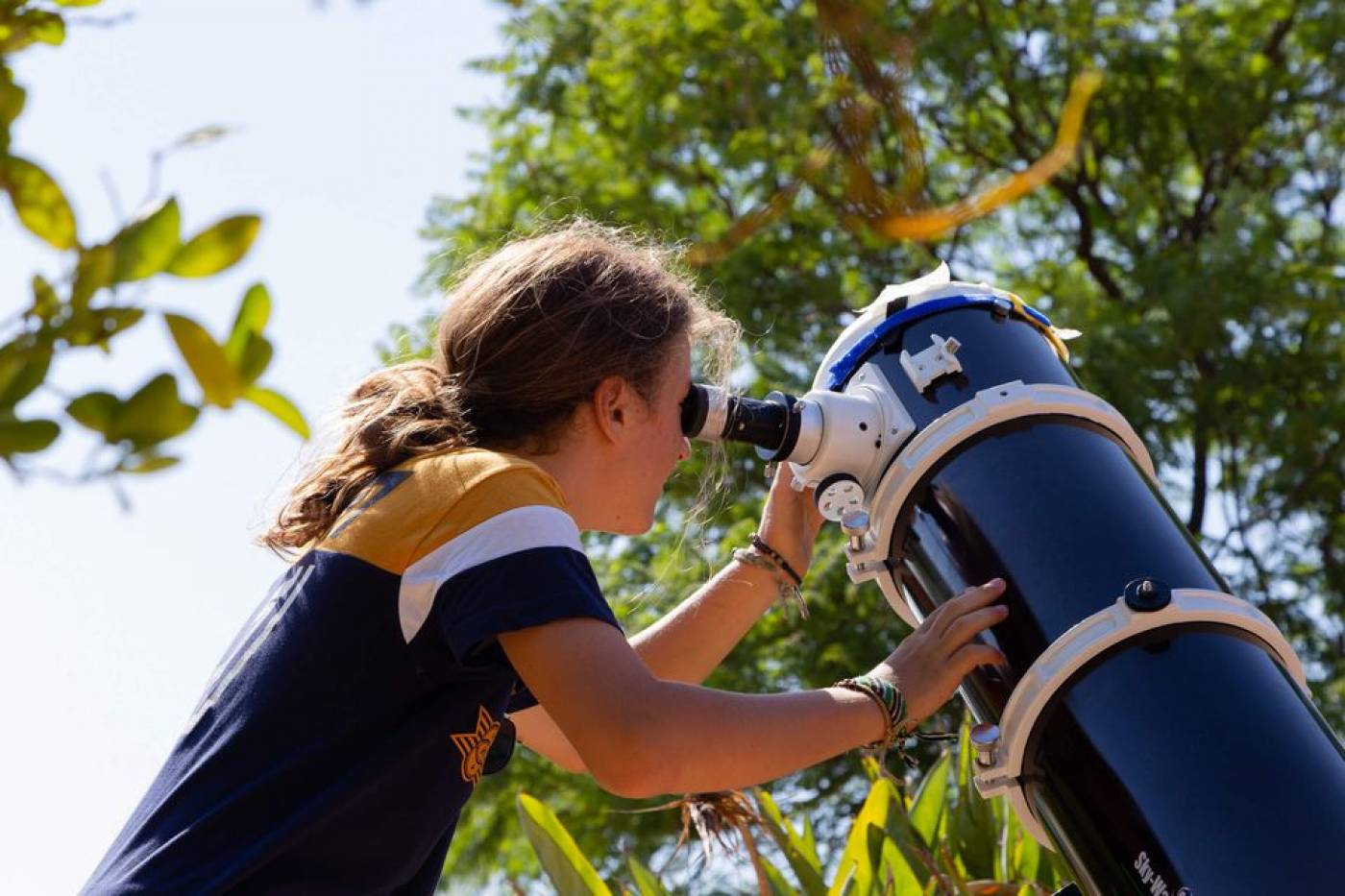
Astronomy Tours runs a whole host of astronomical activities and events in the Murcia Region, from astronomical observation sessions to a magical cruise under the stars, to really fire up an interest in the cosmic world beyond our atmosphere.
Their main base of operations is the Finca Astronomica, located close to the town of La Aljorra in the Campo de Cartagena, where you can join their astronomy tours either in the daytime or at night, all year round.
At the Finca, you’re welcomed with delicious food, drinks, a bonfire and a variety of astronomical tools and gadgets. In the summer season, they also have tours in other locations, including San Pedro del Pinatar, La Manga and Camposol, not to mention their unmissable cruise under the stars, which involves a nighttime cruise on the Mar Menor with tapas and drinks, plus a guided presentation of the night sky as you watch the galaxy glide by.
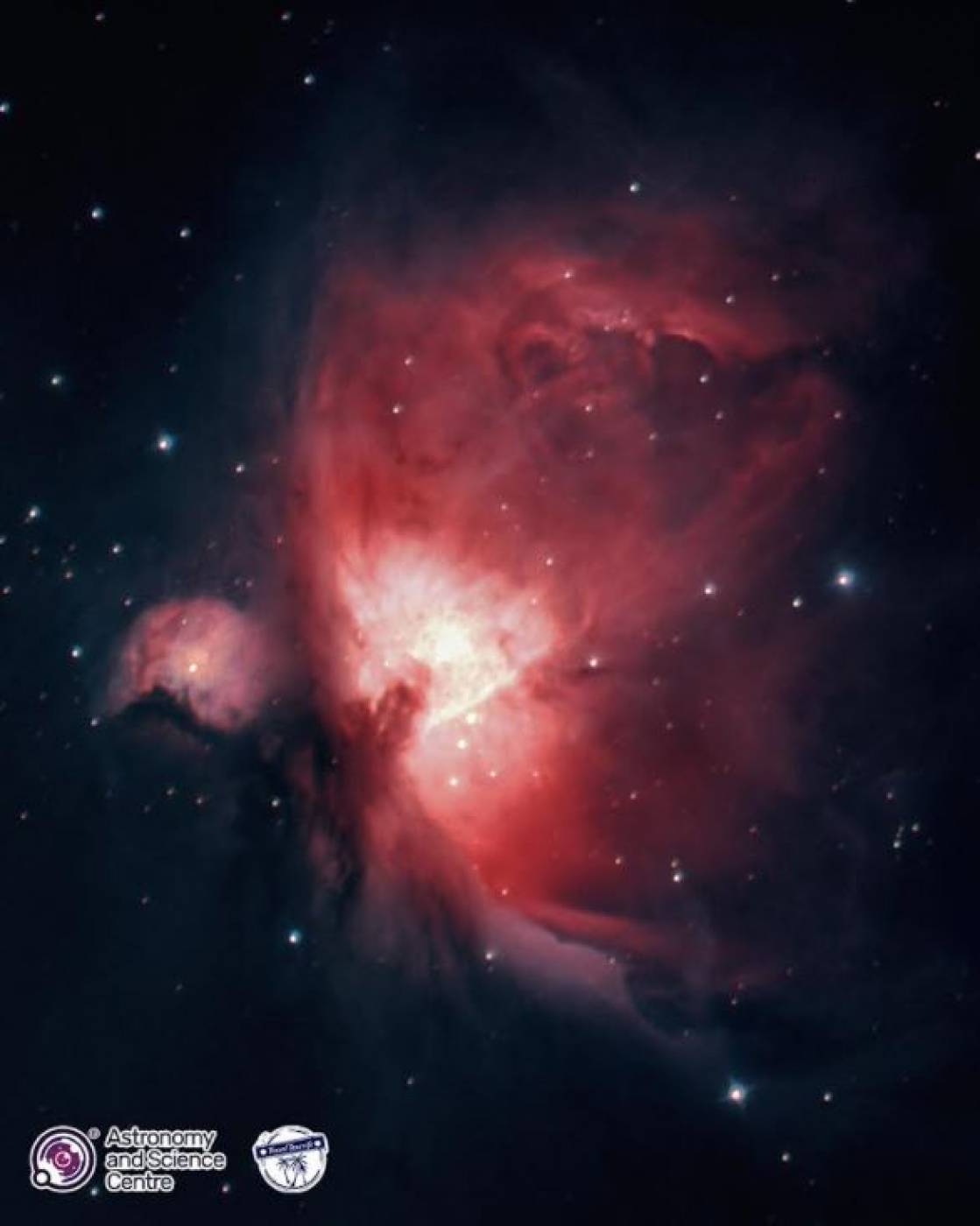
The Astronomy Tours and the Finca Astronomica are supported by the Astronomy and Science Centre Foundation, which was founded in 2019 by a group of astronomers and Starlight-certified guides and monitors in the astronomical observatories in Spain.
The purpose of the Foundation is to promote the knowledge and interest in the field of astronomy and astronomy-related sciences, which covers areas such as physics, chemistry, biology, geology, but also history, archeology, urban and medical aspects of social life, literature, art, culture and (of course) astrology.
By promoting this knowledge and getting their customers interested in astronomy, the Foundation hopes to achieve higher goals such as bringing the stars a little closer to people, and helping them to understand the importance of caring about our planet and the whole human population as a one.
To achieve those goals, the Foundation organises its day- and nighttime activities and camps which are suitable for both children and adults, and as well as this they work with
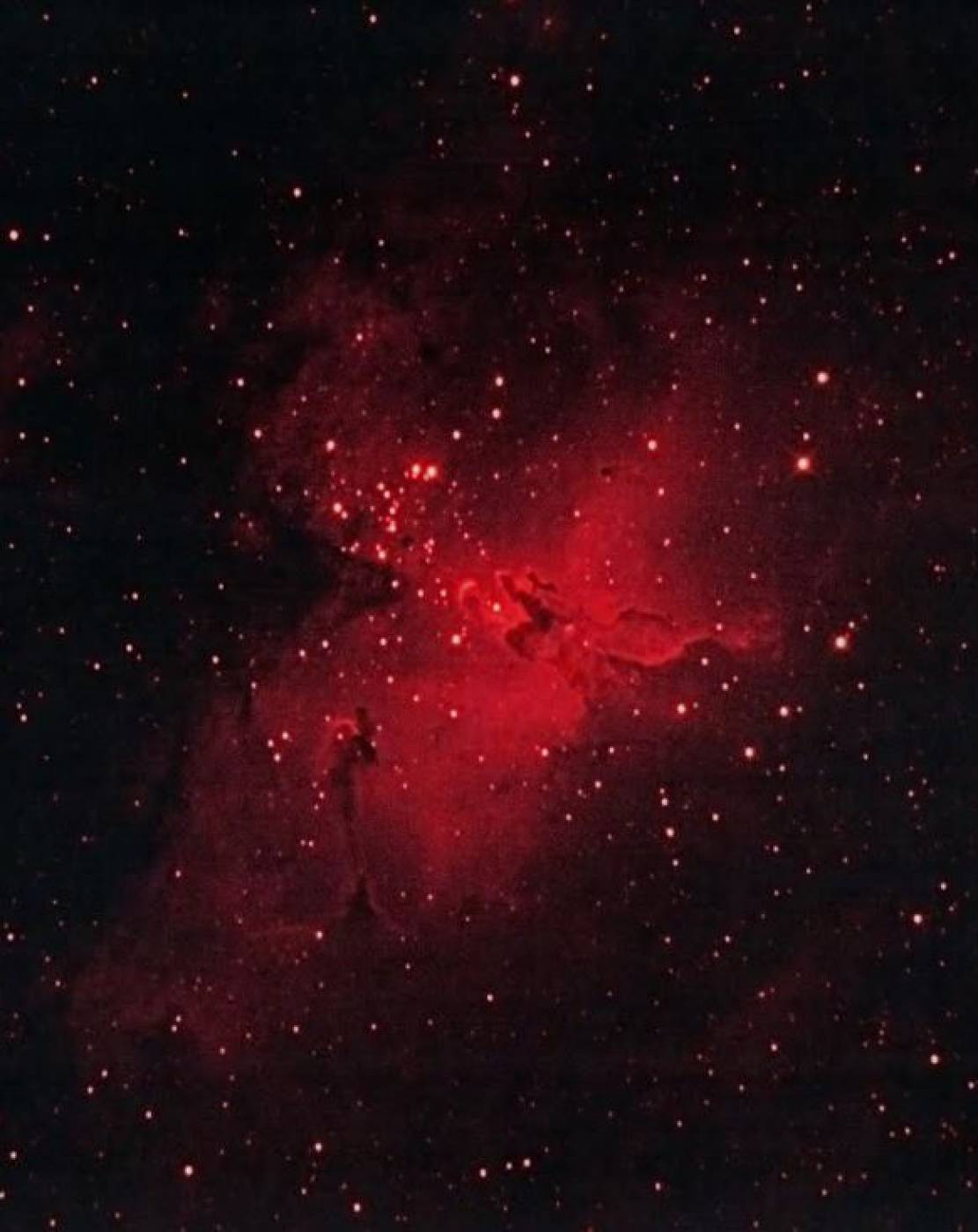
schools and organisations and write books for children to bring astronomy to the masses.
As part of this mission, they’re creating an astronomically themed park right on the Costa Cálida called the Astronomy and Science Centre which has an observatory available to the public to see the stars and the planets, and where they also promote ecofriendly and sustainable activities and closeness to nature.
The Finca Astronomica even has its own friendly and well cared for animals which live in really big spaces where people can easily enter and interact with them in their own environment.
What’s more, you can get involved in all sorts of other fun and activities for all the family at the Finca Astronomica, including glamping under the stars, stroking the animals at their petting zoo and enjoying sports like darts, archery, nerf gun fights, and many more.
This year, Finca Astronomica is excited to unveil its very own Yurt Village. Alongside the beautifully crafted wooden glamping pods, the yurts combine traditional charm with all the modern comforts including double beds, cosy carpets and plenty of shelving for your personal belongings.
But that’s not all. Each yurt comes handily equipped with light and electricity, so that you can charge your devices even as you recharge your spirit under the vast, starry sky.
This summer season is about to come alive with regular tours happening three days a week, while Adult Only Fridays are just around the corner.
Tours are available in English, Spanish and Polish.