









PROPERTY SEARCH

Record passenger numbers and exhausted officers: the real story behind Operation Crossing the Strait
More than 151,000 passengers crossed in just four days at peak, but police unions are warning that the operation's success is masking a serious staffing problem
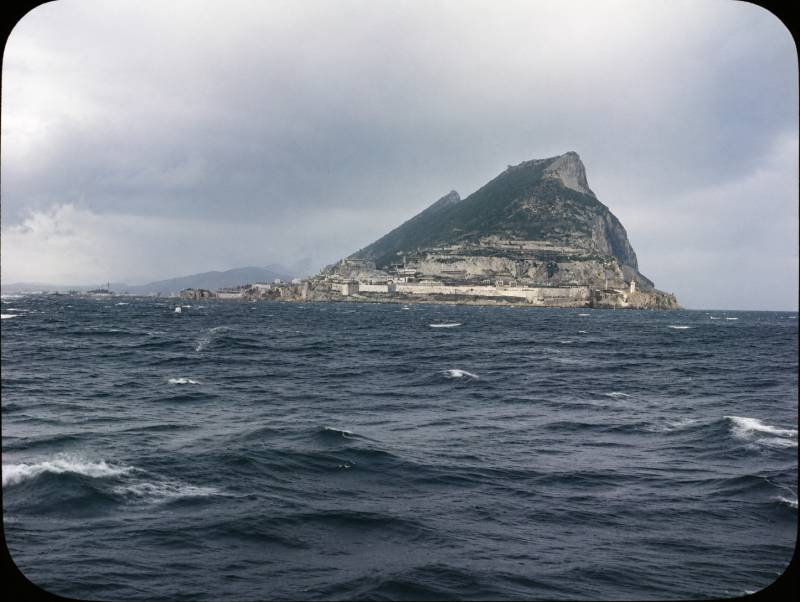 The numbers alone are staggering. Between Thursday July 31 and Sunday August 3, more than 151,200 passengers and nearly 37,500 vehicles crossed the Strait of Gibraltar from the ports of Cádiz, requiring 315 ferry crossings in four days. On the single busiest day, Saturday August 2, over 39,000 passengers and 10,000 vehicles boarded, with cars arriving at a rate of more than a thousand per hour. Emergency Phases Level 1 and Level 2 were activated in Tarifa, and Level 1 in Algeciras, to keep traffic flowing and prevent queues spilling into the surrounding urban areas.
The peak has now passed, but the debate it has left behind is only just getting started.
The operation working, but at what cost?
Both of the main Policía Nacional unions acknowledge that the operation functioned. But neither is particularly comfortable saying so without adding a significant caveat. "The operational balance of the OPE can be described as positive thanks, once again, to the extraordinary effort of the national police officers and the rest of the professionals involved," said the Unified Police Union (SUP), before making its position clear: "The operation succeeds thanks to the extra effort, not because there are excess resources."
Jupol, the largest Policía Nacional union in Spain, was equally candid. "The workload has been heavy, but the large number of police officers has absorbed that flow adequately," it said, while also highlighting pressure on officers to forgo holidays during the summer period and criticising decisions on shift changes that it says have damaged work-life balance. The organisation noted that even officers who had arrived for training or were completing internships ended up being drafted in to work the port. Many of those who took part in the operation did so, according to Jupol, with a sense of "resignation."
At Algeciras, the Llano Amarillo vehicle storage area reached 100% capacity at the height of the influx, a detail that captures just how close to the limit the system was operating.
The situation was complicated further this year by the migration crisis in Ceuta, which ran simultaneously with the peak of the operation. Officers already managing record passenger volumes also had to increase surveillance to prevent irregular entries hidden in trucks or on ferries, adding another layer of pressure to an already stretched workforce.
Outside the ports, the pressure tells a different story
The Tarifa Policía Local union went further, arguing that the operation's official figures don't capture what happens beyond the port gates. On August 1 and 2, calls to the 092 emergency number went unanswered and had to be redirected to other services, as Policía Local officers were simultaneously managing port traffic, urban diversions and their normal summer workload across beaches and outlying areas.
Algeciras handled the bulk of traffic across the four peak days, with 116,274 passengers and 30,238 vehicles, while Tarifa processed a further 34,978 passengers. Since the start of the operation on June 15, Algeciras has seen a 6.6% drop in passengers compared to last year, while Tarifa is up 7%.
With the peak departure phase over, attention now turns to the return. Between Thursday August 28 and Sunday August 31, the ports will face the reverse surge as North African residents head back to Europe. The system has proven it can handle the volume. Whether it can keep doing so without burning out the people running it is a question the unions want answered before then.
Image: wikicommons


Sign up for the Spanish News Today Editors Roundup Weekly Bulletin and get an email with all the week’s news straight to your inbox
Special offer: Subscribe now for 25% off (36.95 euros for 48 Bulletins)
OR
you can sign up to our FREE weekly roundup!
Read some of our recent bulletins:
Discount Special Offer subscription:
36.95€ for 48 Editor’s Weekly News Roundup bulletins!
Please CLICK THE BUTTON to subscribe.
(List price 3 months 12 Bulletins)
Read more stories from around Spain: