





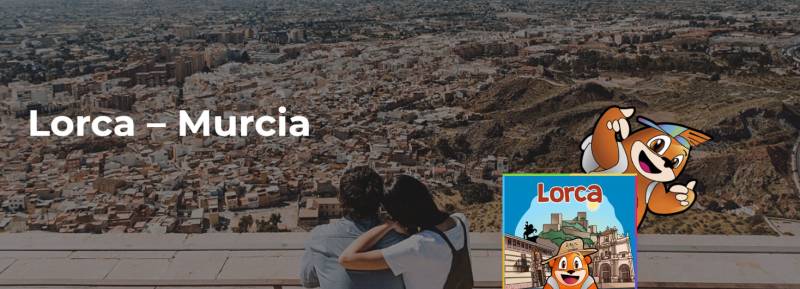







Lorca has the largest surface area of any municipality in the Region of Murcia and the second largest in the whole of Spain (1,676 km2), with a population of around 99,000 (Padrón 2025).
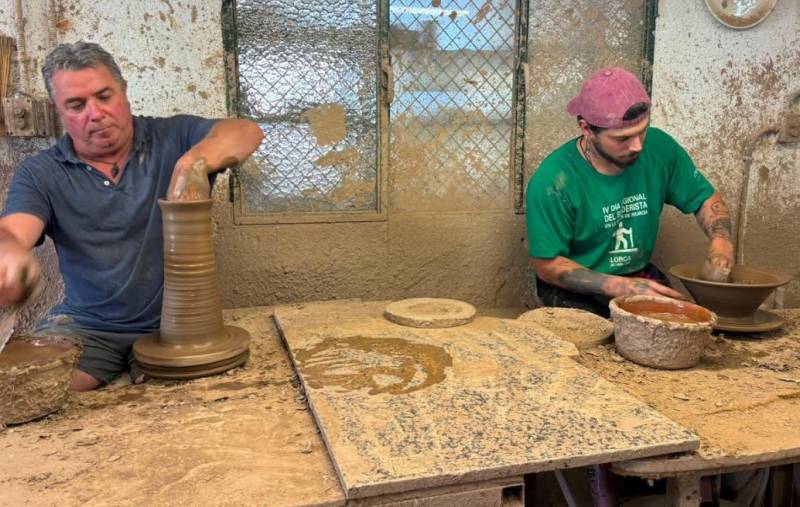
 The city itself lies in the Guadalentín Valley in the area known as the Comarca del Alto Guadalentín, an area of rich, flat, agricultural plains (the name "Guadalentín" comes from the Arabic for mud) which have been cultivated by mankind since pre-history, and still are today. Agriculture and livestock farming are still the backbone of Lorca's economic activity although tanning, tourism and service industries are other important components, the opening of a Parador hotel in 2012 adding an additional tourism impetus.
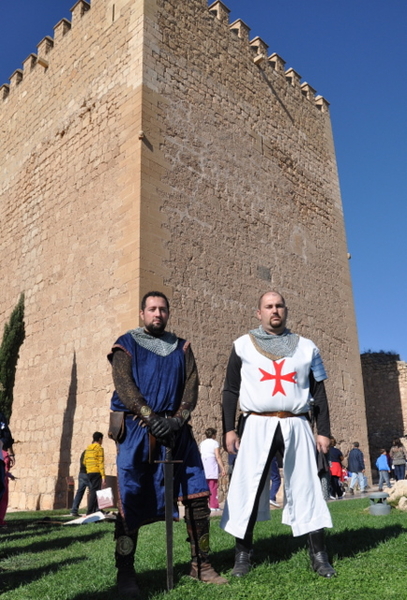 The city has played an important part in the history of Murcia, with continuous habitation from the Neolithic era. It was a major Argaric settlement and played a strategic role during the period of Moorish occupation before becoming an important frontier stronghold during the process of the Reconquista by Christian forces between the 13th and 15th centuries.
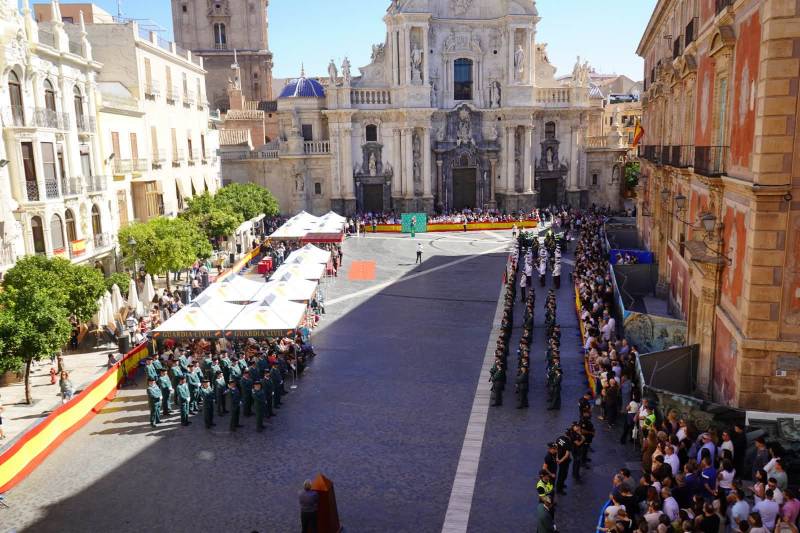
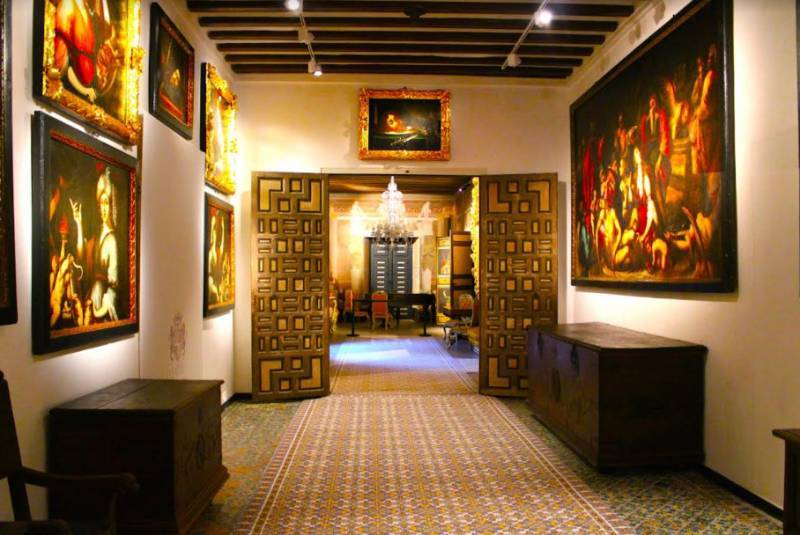
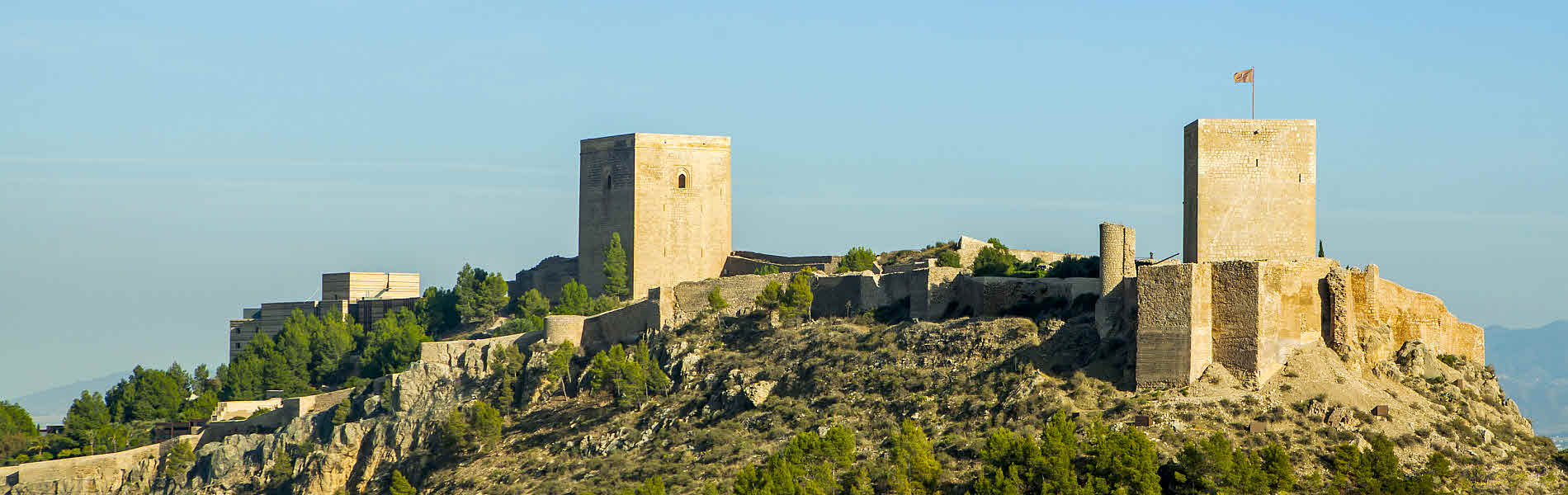
The rich and extensive history of Lorca has left a legacy of archaeological sites and historic buildings around which the modern city has built its tourism industry. Amongst these are Lorca Castle, Plaza de España, the former Collegiate church of San Patricio, the municipal archaeological museum, the Casa Huerto Ruano, the Palacio de Guevara and the churches and convents of San Francisco, San Mateo, the Virgen de las Huertas, La Merced, El Carmen and many others.
Unfortunately, Lorca has been prone to natural disaster, suffering a severe flood in 1973 which killed 50 people, and a Gota Fría on September 28th 2012, as well as a series of earthquakes, the most recent of which was 5.3 on the Richter scale on 11th May 2011 and claimed 9 lives.
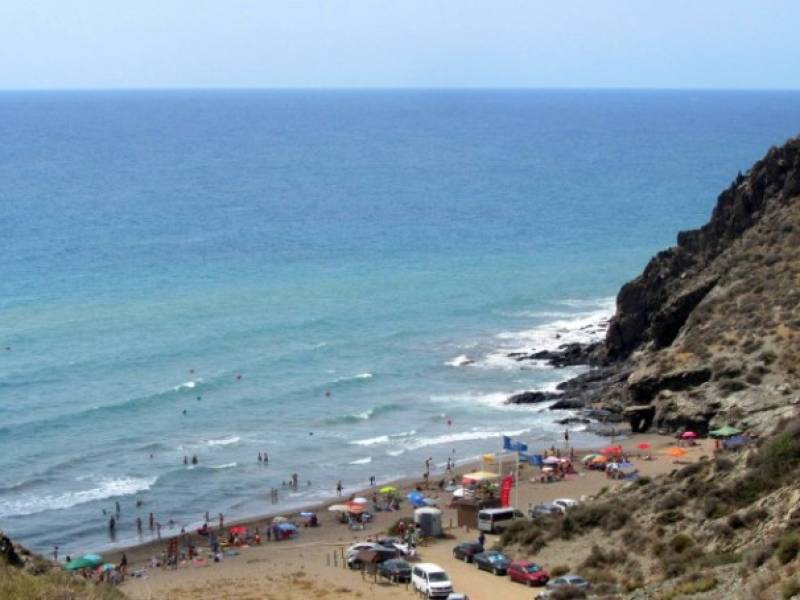 Lorca also has an area of unspoilt coastline incorporating the Parque Regional de Cabo Cope - Puntas de Calnegre, which includes the beaches of Puntas de Calnegre, Cala Calnegre and various others. Although only one is accessible by road others can be reached along dirt tracks!
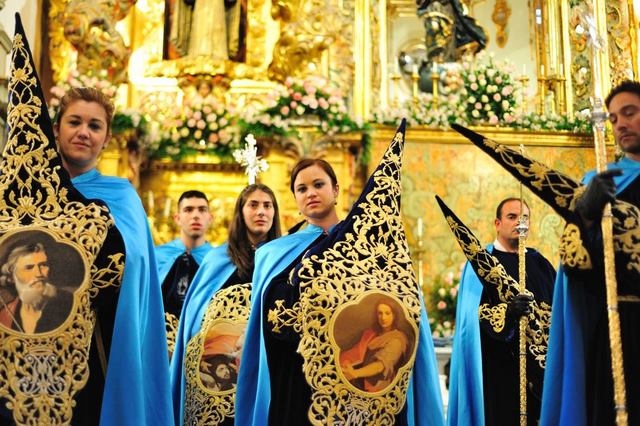
In terms of fiestas, Lorca is synonymous with Easter (Semana Santa), its biblical parades of International Tourist Interest status being famous throughout Spain. The week includes a series of parades in which the whites (Paso Blanco) and blues (Paso Azul) try to outdo each other with the magnificence of their embroideries and the skill and daring of their horsemen.
In the autumn Lorca also celebrates the Fiestas of San Clemente and a Feria and there are a series of important events throughout the year in the Recinto Ferial, as well as a busy cultural and sporting programme.
Lorca is in the south-west of the Region of Murcia and shares a border with the province of Almería. Within the Region of Murcia it shares boundaries with the municipalities of Caravaca de la Cruz and Cehegín to the North, Mula, Aledo, Totana and Mazarrón to the east, Águilas to the south and Pulpí, Puerto Lumbreras, Huércal-Overa, Vélez Rubio and Vélez Blanco, all of them in the province of Almería on the west.
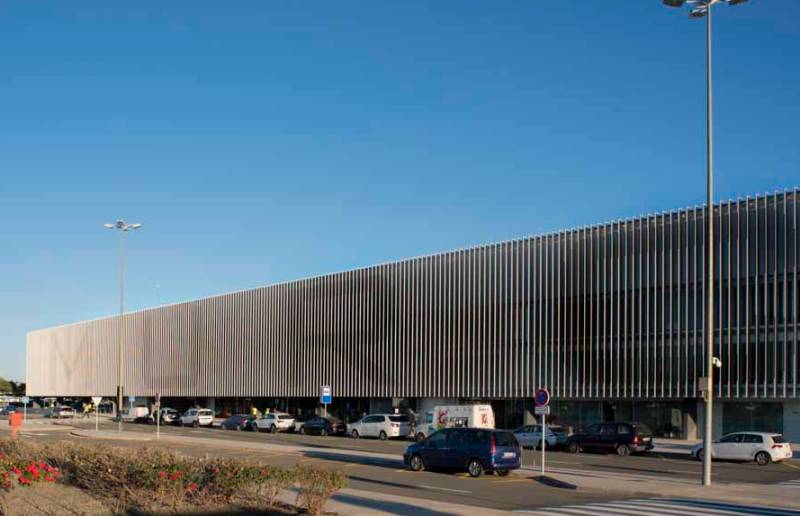
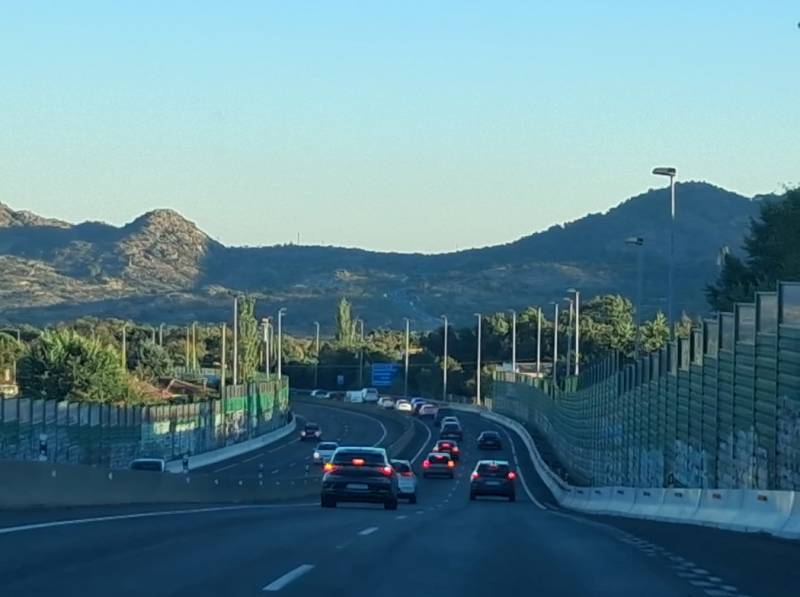
The main road connection to Murcia is via the A-7 motorway and the city of Lorca is 70 km (or 50 minutes by car) from the Region of Murcia International Airport in Corvera.
Among the villages scattered throughout the vast municipality are La Paca, Zarcilla, Avilés, Coy, Doña Inés, La Canaleja and Zarzadilla de Totana.